

Havening helps support the nervous system to create new patterns - healing the past, supporting the present, and creating a future with greater calm, connection, and possibilities.
Book time to begin your healing and growth journey
with Kristen
What is havening?
Havening is a gentle, evidence-informed approach that uses soothing touch, focused attention, and compassionate awareness to support the nervous system. It helps create a sense of safety within the brain and body, allowing us to soften old emotional patterns, build resilience, and create new ways of responding.
My Approach
My aim is to help you create the conditions where lasting change can naturally unfold.
Our sessions are tailored to what feels most important to you. Together, we'll explore the challenges you're facing, strengthen your ability to regulate your nervous system, and gently uncover the patterns, beliefs, and unmet needs that may be shaping your experience.
Alongside our sessions, I'll help you develop a simple home practice using Havening, breathwork, and other gentle regulation techniques that you can use in your everyday life. A regular home practice helps build resilience, supports ongoing change, and gives you practical tools to return to whenever life feels overwhelming.
As your nervous system becomes more regulated, it often becomes easier to soften unhelpful patterns, reconnect with what matters most, and respond with greater clarity, compassion, and choice.
A simple three-step approach to creating lasting change.
Regulate
Calm your body through Havening (and other tools), creating the conditions for gentle shifts in thoughts, patterns, and perspectives.
Reflect
Connect your feelings to the deeper needs beneath them. Connecting to your Needs space for understanding, new possibilities and choices begin to emerge. Develop a supportive home practice using a range of tools.
Respond
From a calmer, more grounded place, thoughtful responses arise more naturally—supporting both your well being and your relationships.
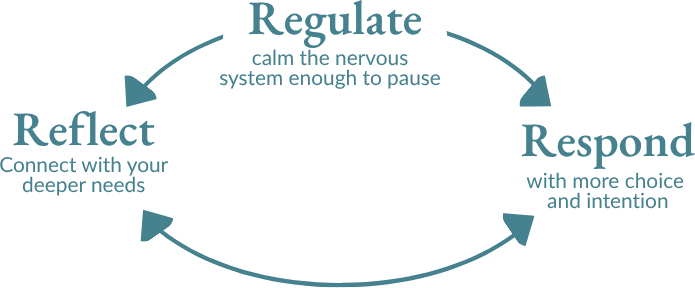
Self-regulation is a superpower!
From a place of calm we create space for choice and new possibilities to emerge.
Start Transforming Your Feelings Today
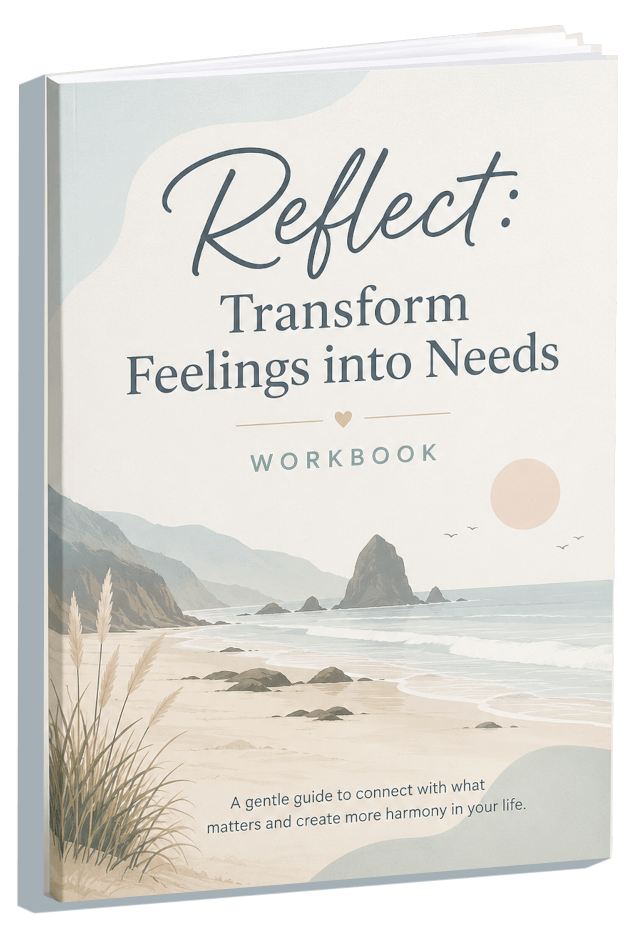
Request your Transform Feelings in Needs Guide: Connec to your deeper Needs
Every feeling carries information. For example, beneath frustration, anxiety, sadness, or overwhelm there is often a deeper need asking to be understood or for support. In fact feelings are signposts to many needs!
This guide will help you slow down, listen inwardly, and discover what truly matters beneath your feelings. When we connect with our needs, we create space — and within that space, new perspectives, possibilities, and responses can begin to emerge.
Take the first step towards greater self-understanding today.
Or Work With Me

Experience a personalised Havening session, online or in person.
My sessions combine Havening with Nonviolent Communication (NVC), guided reflection, breathing techniques, visualisations, and compassionate inquiry to help you understand the deeper needs beneath your emotions and support you to shift long-held patterns.
Each session follows the Havening techniques taught by certified practitioners while bringing together my own unique approach of Regulate → Reflect → Respond supporting you to calm the nervous system, uncover your deeper motivations, and create meaningful, lasting change.
What is havening?
Havening is a psychosensory therapy that uses gentle touch to help rewire how your brain responds to emotional stimuli. It activates calming brain waves in the amygdala, the part of the brain involved in emotional processing. In this deeply relaxed state, the brain can release unwanted thoughts, automatic reactions, and ingrained behavioural patterns. Havening can be self-applied or facilitated by a trained practitioner.
How Havening helps
Healing the past
Havening helps release the emotional charge from past trauma, stress, or painful memories. Gentle havening touch soothes the nervous system and creates an opportunity to rewire the brain’s response to distressing events, allowing you to move forward with more peace and clarity.
Building resilience in the present
In moments of anxiety, overwhelm, dissociation, or anger, havening helps regulate your emotional state. It brings you back into the body, calms the mind, and supports a sense of safety—helping you feel more grounded and able to respond with intention.
Create the future you would like
Havening can also be used to strengthen positive states and step into the future you’d like to live. Through affirmations, role havening, and guided visualisation, you can begin to embody new possibilities and create lasting, meaningful change.
Why use Havening?
In moments of anxiety, overwhelm, dissociation, or anger, havening helps regulate your emotional state. It brings you back into the body, calms the mind, and supports a sense of safety—helping you feel more grounded and able to respond with intention.

Get started with Havening
Havening Techniques® are easy to learn and apply:
In just one session, you can learn basic havening techniques to incorporate into your daily routine.
With regular practice, Havening techniques can bring about profound life changes.
As a self-help tool, you can apply the technique independently, any time.
There are different havening techniques to address your needs and goals.
We can work together online or in-person.
Would you like to book a session? Or perhaps get started with a conversation to see how Havening might support you.
Email: nzhavening@gmail.com
Created by www.clickonline.co.nz